Standing Up for Fiscal Responsibility: My Red Flags in the Winter Springs 2025–26 Budget

Standing Up for Fiscal Responsibility: My Red Flags in the Winter Springs 2025–26 Budget

Standing Up for Fiscal Responsibility in Winter Springs

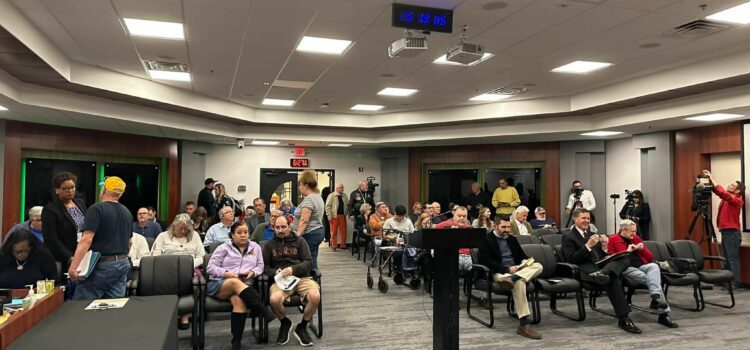
On Monday, September 22, our City Commission held the final vote on the 2025–2026 budget. What is normally a routine process turned into a long night of questions, debate, and some frustration. I want to explain why I raised concerns at this stage, what those concerns were, and why I believe asking tough questions — even late in the process — is part of my responsibility to you, the residents of Winter Springs.

The Budget Process: Two Votes, One Final Decision

By Florida law, every city must hold two public hearings before adopting its budget. The first is a tentative approval. The second — the one we had Monday — is the final vote. While most of the line items are usually debated earlier, the fact that there are two required readings shows that the process is designed for transparency and accountability.

I believed it was important to use that opportunity to make sure we were not simply rubber-stamping everything in the budget without one last look.

Areas of Financial Spending Concern

During the meeting, I laid out a full list of budget items that I believe deserved closer scrutiny:

545270 R&M Grounds:

  • $25,089 (2022–23)
  • $153,865 (2023–24)
  • $457,600 (2024–25)
  • $850,000 (2025–26)

Governmental Funds (Special Revenue) – Arbor #140:

  • $142,749 (2022–23)
  • $370,575 (2023–24)
  • $825,886 (2024–25)
  • $923,286 (2025–26)

Development Services Plans & Inspections #420:

  • Building Services Inspections Vehicle — $35,000
  • Counter Remodel — $125,000
  • Lobby Kiosk — $200,000

Park Impact Fee Fund #153:

  1. Trotwood Lacrosse Wall — $100,000

Community Development:

  • Two 60” Mowers — $28,000
  • F250 4×4 (rebudget) — $70,000

Parks & Recreation:

  • Admin Car Replacement — $35,000
  • Two Gators (four-wheelers) — $30,000
  • F150 (rebudget) — $50,000

Facilities Maintenance:

  • F150 — $50,000

Other Capital:

  • Dump Truck — $90,000

These items alone represent hundreds of thousands of dollars in discretionary spending. When combined with the steep rise in Arbor Fund and R&M Grounds spending, they signal a trend toward wants rather than needs at a time when residents are paying more everywhere else.

A Closer Look: Tuskawilla Crossings Tree Replacement

Another major concern I raised was the cost of replacing trees in the Tuskawilla Crossings community. When this project was first discussed, the estimate was around $100,000. Now, the budget includes $500,000 spread over two years — $250,000 in 2026 and another $250,000 in 2027.

I understand the reasoning: the Live Oak trees planted in that community have aggressive root systems that will eventually damage sidewalks, roads, and utilities. Replacing them now with smaller, more suitable trees is a way to avoid higher costs later.

But here’s the issue: residents were not clearly told the price tag would grow fivefold. When a project more than quadruples in cost, it deserves a fresh, transparent discussion before it’s tucked into a budget line item. That’s why I pushed for more detail and accountability at the final vote.

Why Timing Still Matters

Some of my colleagues argued that these concerns should have been raised earlier, during budget workshops. And yes, ideally, questions like mine are raised and resolved before the final hearing. But the second vote is still a binding, legal decision. Once we pass it, those dollars are committed. If I believe there are items that don’t serve residents or don’t rise to the level of “need,” I cannot in good conscience stay silent just because it’s late in the process.

Fiscal Stewardship in Tough Times

Winter Springs residents are already dealing with higher costs from many directions — rising property tax bills (even though the millage rate stayed flat), county-level increases, and higher utility rates. Families are budgeting carefully, cutting back on wants and focusing on needs. I believe our city should do the same.

It’s not about being against parks, facilities, or equipment. It’s about prioritizing maintenance of what we have over building new features, and making sure every tax dollar is spent wisely before asking residents to shoulder more.

Looking Forward

I’m committed to working with staff and my fellow commissioners to revisit specific items through amendments, as the law allows. But I also want residents to know this: when you see me raise questions, it’s because I believe someone must speak up for financial discipline and accountability, even when it’s uncomfortable.

I don’t take that role lightly. I was elected to represent you, not to make the process easier for City Hall. And I will continue to ask hard questions to make sure Winter Springs stays fiscally responsible and focused on serving its residents first.

Watch the Meeting:

Fighting for Smarter Environmental Policy at the State Level

Fighting for Smarter Environmental Policy at the State Level

Fighting for Smarter Environmental Policy at the State Level

This Friday, September 26th, I’ll be representing Winter Springs at the upcoming Florida League of Cities (FLC) Utilities, Natural Resources, and Public Works Policy Committee meeting in Orlando, and I’ll be advancing two legislative priorities I believe are vital not only to our city but to communities across Florida.

These reforms are grounded in my experience as an environmental professional and Commissioner, and they aim to bring greater accountability, transparency, and environmental impact to the way our state manages tree mitigation funds and stormwater monitoring.

What I’m Fighting For Statewide Tree Mitigation Fund Reform

Florida needs a clear, consistent standard for how Tree Mitigation Funds are collected and spent. That’s why I’ve proposed that the Florida League of Cities support:

“The creation of statewide rules for Tree Mitigation Funds to ensure transparency, consistency, and accountability. A standardized framework would guide the purchase of Tree Mitigation Credits to offset project impacts and require a centralized database to track the receipt and expenditure of funds.”

Today, some cities collect mitigation fees with no measurable restoration or canopy replacement to show for it. Inconsistent local policies make it difficult to track outcomes, and that’s not fair to residents or to the environment. This policy would fix that.

Statewide Standards for Stormwater Monitoring

Just like we need consistency in how tree mitigation is managed, we also need better stormwater data. Without a coordinated framework for monitoring water quality and runoff patterns across jurisdictions, local governments are left guessing, and taxpayers foot the bill when those guesses are wrong.

My proposal will call for the League to support:

“A statewide framework for stormwater monitoring that includes best practices for data collection, sharing, and application in local watershed management.”

By standardizing how we monitor stormwater, we can reduce flood risk, improve water quality, and support smarter infrastructure planning — not just in Winter Springs, but across Florida.

Why This Matters to Winter Springs

These aren’t abstract policy ideas. They’re rooted in real experiences here at home.

We’ve seen firsthand how confusing arbor fund management can become and how much public trust we lose when residents don’t know how their fees are being used. We’ve also dealt with stormwater infrastructure challenges that could have been mitigated with better data earlier on.

By bringing these issues to the state level, I’m doing what I promised when I ran for office: using my professional experience to advocate for policies that make our communities stronger, safer, and more sustainable.

What’s Next?

The first committee meeting is scheduled for Friday, September 26, 2025, at the Hilton Orlando. I’ll present these proposals and work with other elected officials and city leaders from across Florida to shape the League’s legislative agenda for the upcoming session.

This is just the beginning, but it’s an important step toward statewide reforms that bring measurable benefit to cities like ours.

If you’d like to learn more or weigh in on these proposals, I invite you to reach out anytime. Your voice matters, and I’m proud to bring it with me to Tallahassee and beyond.

Why I Voted to Limit the TLBD Assessment and What Comes Next

Why I Voted to Limit the TLBD Assessment and What Comes Next

Why I Voted to Limit the TLBD Assessment and What Comes Next

Earlier this month, I wrote a post asking an important question:

Is now the right time for a 99% increase in the TLBD assessment?

I voted in favor of a reduced TLBD assessment fee that was recommended by the City of Winter Springs staff on Tuesday, September 9, after hours of public input and detailed review. I voted to raise the cap on the Tuscawilla Lighting and Beautification District (TLBD) from $128 to $220 per household—but limited this year’s actual increase to $160, or just 25%; as opposed to the $255.20 per household recommendation.

Not a penny more.

This wasn’t about landscaping or aesthetics. It was about trust, transparency, and taxpayer protection.

What Was Originally Proposed: A $1.1 Million Annual Budget

The original proposal—supported by the Mayor, the TLBD advisory board, and the Tuscawilla HOA (THOA)—called for the largest assessment increase in memory, totaling over $1.1 million per year. Here’s how that broke down:

  • Landscape maintenance: $512,378.33
  • Fountain repairs: $71,793.60
  • New streetlight fixtures: $250,771.14
  • Signage upgrades: $125,500
  • Admin, legal, and insurance costs: $71,407.11

Total Budget Requested: $1,116,716.38

What I Did Instead

I made sure we took a more responsible path forward:

  • Raised the cap to $220 to avoid a costly $18,000 rate study in the future
  • Limited this year’s rate increase to just 25% ($160 per household)
  • Blocked the full $255.20 increase from going into effect
  • Required performance accountability before any future increase
  • Called for transparency on spending for privately owned assets
  • Voted with residents—not with insider groups

Questions That Needed to Be Asked

Commissioner Mark Caruso, a former landscaper, questioned the massive $512,000 landscape line item. He raised a key point:

“Are we spending for aesthetics—or actual deliverables?”

While he doesn’t live within the TLBD boundaries, his experience and perspective underscored the importance of detailed oversight. Too often, budgets pass without scrutiny. That’s not how I operate.

Why This Matters

  • A half-million dollars for landscaping.
  • City funds directed to fountains on private HOA property.
  • Nearly 100 percent rate hikes proposed in one year.

And all of this while residents face higher utility bills, inflation, and housing costs.

We can—and must—do better.

We Can Invest Responsibly Without Breaking Trust

I believe in maintaining the character and beauty of Winter Springs. But I will not rubber-stamp a million-dollar wish list without oversight.

This is a community, not a blank check.

We need measurable results, clear deliverables, and a commitment to fairness before asking residents to pay more.

What Happens Next

  • TLBD residents will pay $160 this year—not $255
  • The City must now deliver visible improvements and value
  • I will oppose any future increase without clear accountability
  • I will continue standing with residents to protect your interests

Let’s stay engaged, informed, and committed to protecting Winter Springs. Together, we can ensure every dollar is spent with purpose—and with the community in mind.

With respect and resolve,

Victoria Bruce

City Commissioner, District 2

Winter Springs, Florida

VictoriaForWinterSprings.com

📩 Stay Connected

Subscribe for updates, follow along on social media, or speak up at upcoming Commission meetings. Your voice makes a difference and I’m here to listen!

Victoria Bruce Proposes Statewide Tree Mitigation Reform at Florida League of Cities

Victoria Bruce Proposes Statewide Tree Mitigation Reform at Florida League of Cities

I’m proud to announce that I’ve submitted a legislative priority for consideration by the Florida League of Cities Utilities, Natural Resources, and Public Works Policy Committee—and it’s an issue that matters deeply to both our city and the entire state of Florida: Tree Mitigation Fund Reform.

I’m advocating for the creation of statewide rules for how Tree Mitigation Funds are regulated, collected, managed, and spent. 

Specifically, I’ve asked the committee to support:

“The Florida League of Cities SUPPORTS the creation of statewide rules for Tree Mitigation Funds to ensure transparency, consistency, and accountability. A standardized framework would guide the purchase of Tree Mitigation Credits to offset project impacts and require a centralized database to track the receipt and expenditure of funds. This would promote equitable and measurable environmental benefits and replace inconsistent local policies with a uniform, statewide approach.”

In simpler terms: when a tree is destroyed to make way for development, those environmental losses must be offset. But right now, how that happens varies widely across Florida. In some cities, mitigation funds are collected with no clear accountability for how, when, or even if the money is used to replace the lost environmental value.

Like all Florida communities, we’re facing rapid growth, aging infrastructure, and mounting pressure on our natural resources. We must ensure that the tools we use to protect the environment actually work, and that means reforming the way tree mitigation funds are handled.

My professional background in environmental restoration and wetland mitigation banking has given me a front-row seat to the gaps in our current system. 

I’ve seen how inconsistent local rules can result in:

  • Code language varies significantly from each city and county. 
  • No measurable environmental restoration accountability (Funds being utilized for Maintenance/Enhancement and not on Replacing trees)  
  • Public confusion or distrust about where the money goes

What Would Change:

Under this proposal, we’d see the creation of:

  • Statewide guidelines for tree mitigation practices
  • A centralized database that shows how much money is collected and how it’s spent
  • Clear metrics to ensure that any lost tree canopy is replaced with equal or better ecological value

This approach would increase transparency for residents, create more consistency for developers, and—most importantly—ensure that our environment sees real benefit from every dollar spent.

I’ll be presenting this priority at the September 26th meeting in Orlando, and I’m committed to making your voice and values—heard. 

As a fiscally responsible, environmentally focused Commissioner, I believe we can have smart growth and real accountability when we lead with both clarity and conviction.

September 2025 Winter Springs City Commission Meeting Recap

September 2025 Winter Springs City Commission Meeting Recap

As your District 2 Commissioner, I want you to be fully informed about the decisions being made at City Hall — whether I voted on them, supported them, or simply helped guide the conversation. On Monday, September 8, 2025, the City Commission held a regular meeting that covered major issues ranging from water and wastewater to budget and taxes.

Here’s my complete, transparent recap of what was discussed and decided — and how I’m representing your voice in every vote.

Wastewater Reform and Environmental Oversight

One of the most critical decisions we made was approving a new wastewater operations contract with Woodard & Curran, replacing a vendor that has faced multiple DEP violations and fines. I supported this contract because it includes:

  • Transparent pricing: actual cost plus a fixed 8% fee
  • City ownership of all new vehicles and equipment
  • Clear reporting responsibilities and communication channels
  • Higher standards for training, safety, and compliance

I asked direct questions during the meeting to clarify accountability measures — including who will report spills, negotiate DEP fines, and ensure properly licensed operators are on staff.

We’re not just fixing what’s broken — we’re setting a higher standard.

Budget and Millage Rate Decisions

The Commission also adopted the tentative FY 2025-26 budget and millage rate (2.6200), which I voted to support. This rate is slightly above the rollback rate due to rising property values, but it helps fund critical infrastructure and service needs.

I remain committed to fiscal responsibility and ensuring your tax dollars are invested where they matter most — water quality, road maintenance, public safety, and environmental protection.

Reclaimed Water Expansion

We approved design funding to connect the east and west reclaimed water systems in Winter Springs. This is an important step toward smarter water reuse and long-term sustainability.

Updates to the Senior Center Agreement

The Commission approved an updated agreement with the Winter Springs Senior Center to provide:

  • Flexibility in programming
  • Improved access to technology
  • Continued support for senior-led events

I voiced concerns to ensure this agreement won’t limit future innovation and that the city can assist with equipment upgrades through surplus donations.

Tree Preservation and Green Planning

During the meeting, I clarified a note about a preserved oak tree at the Catalyst site. While it may not qualify for official Liberty Tree designation, it’s already protected — and I remain focused on tree preservation and maintaining green space in all development.

I also submitted a legislative priority proposal to the Florida League of Cities advocating for statewide transparency in tree mitigation funds, so we can ensure those dollars support real conservation work.

Parks and Youth Sports Safety

Several residents contacted me about a missing ball net at the Babe Ruth field. I’ve followed up directly with staff, and this safety issue is being prioritized. If you see something that needs attention, please continue to reach out.

Community Input and Rising Costs

We heard from many residents concerned about rising water bills, special assessments, and taxes. These are real concerns. While I supported this year’s budget and millage, I do not support doubling assessments like the Tuscawilla beautification tax without a clear, community-backed plan.

Transparency, public trust, and data-driven planning must come first.

Looking Ahead

The city is actively moving forward on several key initiatives:

  • Sediment removal in Tuscawilla and Howell Creek
  • Ion exchange media replacement in our water system
  • Upcoming fire hydrant testing and mapping
  • RFP process for Tuscawilla berm repairs

These infrastructure improvements are long overdue, and I will continue advocating for solutions that protect residents, preserve our environment, and keep Winter Springs moving forward.

Staying Accessible

I’m here to serve. If you have questions, ideas, or concerns, please reach out directly.

Victoria K. Bruce

Winter Springs Commissioner, District 2

Email: victoria@victoriaforwintersprings.com

Website: www.victoriaforwintersprings.com

TLBD Assessment Increase: Is Now the Right Time?

TLBD Assessment Increase: Is Now the Right Time?

On Tuesday, September 9, 2025, the Winter Springs City Commission will consider Resolution 2025-16, which proposes to increase the Tuscawilla Lighting and Beautification District (TLBD) annual assessment from $128 to $255.20 per household.

This nearly 100% increase is intended to fund a broad set of beautification projects totaling $1.83 million, including landscaping, monument restoration, fountain renovation, and street signage.

While these improvements may be worthwhile over time, the core question remains: Is this the right time—and the right approach—to move forward with such a significant financial request from residents?

Reviewing the Scope of the Plan

According to TLBD documentation, the following projects are included in the proposed $1.83 million plan:

Median Landscaping – $1,104,000

  • Renovation of 23 medians on Winter Springs Boulevard
  • Estimated cost: $48,000 per median

Monument Restoration – $500,000

  • Tuscora Median and Monuments: $155,000
  • Trotwood: $28,000
  • East Winter Springs Blvd: $63,000
  • Seneca Blvd: $15,000
  • Shetland: $8,000
  • Deer Run: $6,000
  • West Winter Springs Blvd (Tuskawilla Rd): $225,000

Decorative Street Signs – $50,000

  • Sandblasting, priming, and painting of 125 poles
  • Estimated at $400 per pole

Fountain Maintenance & Renovation – $176,000

  • Monthly maintenance: $1,300
  • Full renovation of the North Fountain

Total Proposed Investment: $1,830,000

Fiscal Responsibility Means Clarity and Balance

Beautification is important. The value of well-maintained medians, entryways, and signage is not in question. But when asking residents for a 99% increase in assessments, the City has a responsibility to be clear:

  • What must be done now, and what can be phased?
  • Are we conflating projected future needs with current-year spending?
  • Have we explored alternative funding or multi-year planning instead of frontloading all expenses into a single year?

Reviewing the Budget Numbers

TLBD documents show a projected year-end fund balance of approximately $57,000—not zero. While tight, this does not reflect an emergency. In fact, much of the reported budget “shortfall” stems from capital improvement items budgeted but not yet spent, including over $260,000 in projected construction and equipment.

A key concern is that the proposed rate increase may be based on aspirational spending plans, not confirmed obligations. That distinction matters—especially when we are asking homeowners to pay significantly more.

Where Does the Money Go?

To help residents better understand the spending plan, the TLBD committee has prepared a presentation that outlines the full proposal, including costs by project category.

Public Input is Essential

As a Commissioner, I support investing in our community. But I also believe in asking tough questions and ensuring that spending matches real priorities.

If you are a resident of the TLBD, I encourage you to attend the upcoming special meeting and share your thoughts.

Meeting Details:

Date: Tuesday, September 9, 2025

Time: 5:30 PM

Location: Winter Springs City Hall

To review the full agenda and documents related to Resolution 2025-16:

Final Thoughts

The future of Tuscawilla should be planned with vision, care, and balance. Let’s make improvements the right way—by clearly understanding the need, confirming the timing, and ensuring full transparency.

Let’s ask the right questions—before asking our neighbors to pay more.

— Victoria Bruce

City Commissioner, District 2

Winter Springs, Florida

Where Your Property Taxes Go & Why It Matters for Winter Springs

Where Your Property Taxes Go & Why It Matters for Winter Springs

Where Your Property Taxes Go — And Why It Matters for Winter Springs’ Future

As your City Commissioner, I believe in transparency and accountability — especially when it comes to your tax dollars. That’s why I’m breaking down how Winter Springs property taxes are allocated and why it matters for our city’s future. With more families and neighbors asking, “Where is all this money going?” and “Why are services stretched thin?” — I wanted to take a moment to share what the numbers actually show.

First: Where Do Your Property Taxes Actually Go?

Many residents are surprised to learn that only a small portion of your property tax bill stays in Winter Springs.

For every $1 you pay in property taxes:

  • 48.61¢ goes to Seminole County
  • 33.59¢ goes to the School Board
  • Only 16.67¢ stays with Winter Springs
  • 1.14¢ goes to Special Districts

That means our city only keeps about 17 cents per dollar to provide essential services like police, parks, wastewater infrastructure, and drinking water improvements.

With so much of your tax dollar going elsewhere, every decision we make locally has to be fiscally responsible and strategically prioritized.

Public Safety Costs Are Rising

In 2023, Winter Springs collected $7.39 million in property tax revenue — yet we spent $8.76 million on law enforcement alone.

This gap doesn’t even include costs for fire protection, infrastructure, or community programs.

Public safety is a top priority. But we must face the reality: the cost to provide services is outpacing our current revenue.

The Impact of Tax Caps and Homestead Protections

Many homeowners benefit from Save Our Homes and other exemptions — and I fully support these protections.

However, they also limit how much taxable value can increase each year, even as home values climb. This means the city’s revenue doesn’t grow as fast as the market, which puts pressure on our ability to fund long-term needs.

A Word on Development — And Why the Conversation Matters

Over the past year, many residents have voiced concern about new development — and rightfully so. Growth should never happen at the expense of our environment, infrastructure, or quality of life.

But here’s what the data shows:

  • Winter Springs is spending more than it collects in property taxes.
  • Public safety and infrastructure needs are growing.
  • Our city receives only 16.67% of every property tax dollar.
  • Local business tax revenue is just 1.28% of unrestricted revenues.

What does this mean? We need to plan wisely. This isn’t about pushing for more development — it’s about making sure we have the resources to maintain and improve the services our residents expect.

I believe in smart growth, not sprawl. Growth that fits the character of Winter Springs — and ensures that those who move here contribute to the cost of the services they will use.

Our city deserves thoughtful planning — and that means understanding the numbers, setting clear expectations, and being proactive, not reactive.

Let’s Keep Winter Springs Financially Sound

71% of cities across Florida are keeping millage rates flat or lower than 2020. Many are making difficult decisions — and we must do the same.

As your Commissioner, I’m committed to:

  • Protecting your tax dollars
  • Prioritizing public safety and clean water
  • Making smart decisions that protect Winter Springs now — and for future generations

Want to Dive Into the Full Report?

For those who want to see the full picture, we’ve embedded the complete Property Tax Data Packet below.

Flip through the full report embedded below.

Winter Springs is a beautiful community — and it’s my honor to serve you. My focus is to protect what makes this city special, while also ensuring we have the resources to support our families, our safety, and our future.

Let’s keep the conversation going. If you have thoughts, questions, or concerns, please reach out. I’m always here to listen and work with you.

Winter Springs Arbor Fund: Where Are the Tree Fees Really Going?

Winter Springs Arbor Fund: Where Are the Tree Fees Really Going?

Where Are Our Arbor Fees Really Going? Uncovering the Truth About Winter Springs’ Tree Fund

When I ran for City Commission, I promised to bring transparency, fiscal responsibility, and integrity to our local government. Recently, an Arbor Fund decision came before the Commission that has sparked community concern — and it’s time to talk openly about it.

Start Here: The Full Background on This Issue

Before diving into the numbers, I encourage you to read the original blog that explains the specific case that prompted this broader review of our Arbor Fund practices:

The Tree Mitigation Fee Was Paid, Not Waived

What Happened?

A developer who had already paid arbor fees years ago was asked to pay an additional $240,000+ for the same obligation due to unclear contract language. I was the only “No” vote — not because I oppose environmental protection, but because I believe in honoring agreements and treating people fairly.

This issue prompted me to take a closer look at how our Arbor Fund is being managed, and what I found was deeply troubling.

What the Budget Shows

Over the past three years:

  • Arbor Fund revenue (2025): $115,217.79
  • Arbor Fund expenses (2025): $512,900.22
  • Deficit: nearly $400,000, continuing an annual shortfall trend
  • Less than 13% of expenses go toward tree planting or giveaways
  • The majority is spent on maintenance, consulting, and capital equipment

This is not what residents expect when we talk about protecting our tree canopy.

What the Arbor Fund Should Be

The Arbor Fund should be used to grow and preserve Winter Springs’ tree canopy — not to fill budget gaps or buy city vehicles. Maintenance is important, but when less than a fraction of these funds go toward actual tree planting, it’s time to ask: Are we being honest with the public about where this money is going?

What I’m Fighting For

I’m calling for:

  • A full audit of Arbor Fund expenditures
  • A return to purpose: prioritize tree replanting, not just maintenance
  • Fair and transparent contracts for residents and developers alike
  • A more accountable, environmentally-focused budgeting process

Winter Springs deserves better. We deserve transparency, fairness, and leadership that works for the people, not just for the process. I will continue to be your voice — even if I stand alone — because doing the right thing should never be a lonely place.

With gratitude and resolve,

Victoria K. Bruce

Winter Springs City Commissioner – District 2

August 2025 Stormwater Projects Update

August 2025 Stormwater Projects Update

Protecting Winter Springs from Flooding – August 2025 Stormwater Projects Update

At the August 11th City Commission Meeting, we received a detailed update on the City of Winter Springs stormwater projects, available grant opportunities, and the upcoming Stormwater Master Plan. These efforts are essential for keeping our neighborhoods safe, protecting our environment, and preparing for future storms.

Ongoing Stormwater Improvements

From repairing ponds and improving drainage systems to removing debris and sediment from our creeks, Winter Springs stormwater projects are addressing both current needs and long-term resilience:

  • Pond & Creek Repairs – Restoring areas damaged by storms such as Hurricane Ian and Hurricane Milton.
  • Flood Mitigation – Elevating flood-prone homes, floodproofing sanitary lift stations, and acquiring properties in high-risk areas.
  • Neighborhood Drainage – Making improvements in Bear Creek Estates, Wetland Park, and Torcaso Park to reduce localized flooding.

Funding Through Grants

To offset project costs, the City is pursuing state and federal funding for Winter Springs stormwater projects, including:

  • FEMA Hazard Mitigation Programs
  • Florida’s Resilient Florida Funding
  • NRCS Emergency Watershed Protection

Securing these grants allows us to complete vital work without placing an undue burden on taxpayers.

Stormwater Master Plan

The Winter Springs Stormwater Master Plan is on track for adoption this fall. This plan will:

  • Prioritize future projects
  • Estimate costs
  • Strategically address problem areas

Public workshops will give residents a chance to ask questions and share feedback before final adoption.

I’m committed to ensuring Winter Springs stormwater projects are completed efficiently, transparently, and with a focus on long-term solutions. Protecting our homes, businesses, and natural resources from flooding isn’t just about infrastructure—it’s about preserving the quality of life in Winter Springs for generations to come.

Let’s keep working together to protect our city.

Working for You: Highlights from Our August 11, 2025 Commission Meeting

Working for You: Highlights from Our August 11, 2025 Commission Meeting

By: Commissioner Victoria Bruce

This week’s City Commission meeting was a full one, and I want to give you my perspective on the important discussions we had — and how I worked to make sure your voice was part of the process.

Stormwater & Infrastructure: Planning for the Long Term

We began with a comprehensive update on stormwater projects, hurricane recovery efforts, and future infrastructure improvements. My focus here — as always — is making sure we’re investing in solutions that protect residents, improve water quality, and avoid costly mistakes down the road.

Arbor Fee Agreement Debate

One of the evening’s most intense discussions was over the arbor fee agreement for the property located on Michael Blake Blvd & SR 434, The Catalyst Property. My main question is why did the agreements encompass the entire stormwater and transportation credits clearly covered the entire project, but the arbor fees appeared to apply only to the 6.45 acres in the initial phase; when there is no mention of 6.45 acres in the entire Original Agreement or the First Modification to the Agreement.

The agreement was not clearly written with arbor fee requirements detailing if it was for the Entire Property or Initial Phase.

The discussion was framed around clarity, fairness, and making sure the city’s agreements are transparent and enforceable. After reviewing all the documentation and hearing from both sides, I ultimately voted “No” on making the applicant pay an additional arbor fee because I believe the language in the agreement and the information provided to us left too many unanswered questions to know if the subject property had already paid for the arbor fees in 2018.

Looking Ahead on Tree Mitigation

While the vote has been taken, I believe this is just the beginning of a bigger conversation. I’d like to revisit how our Arbor Fund is used to ensure we are truly mitigating tree loss — prioritizing replanting over the very small percentage currently spent on new trees. Currently the bulk of the Tree Funds now go towards maintenance and administrative costs. In the upcoming meetings, I will be pushing the city to look at hiring a certified arborist and moving toward to a no net loss tree mitigation plan so that every tree removed in Winter Springs is replaced and our canopy is preserved for future generations.

Why I Share This with You

I believe you deserve to know how and why I make decisions on your behalf. Whether it’s protecting our environment, safeguarding public funds, or asking tough questions that need to be asked, my role is to ensure we have the facts before making decisions that affect our community for years to come.

Thank you to everyone who attended, spoke, or followed the meeting. Your engagement makes Winter Springs stronger.

— Victoria K. Bruce

Commissioner, District 2

Winter Springs, FL