Hello Winter Springs residents,
As your City Commissioner, I am pleased to share an important update on the Fiscal Year 2025 Proposed Budget. Our commitment to balancing economic growth with environmental conservation and maintaining our community’s high quality of life remains steadfast. Below, you’ll find key highlights and details from our proposed budget, reflecting our collective efforts to ensure Winter Springs remains a thriving and beautiful community.
Budget Overview
The total proposed budget for all City funds is approximately $68.3 million, representing a 6% decrease from the prior fiscal year. This reduction is achieved without compromising the quality of services we provide to our residents. Our General Fund spending, however, has increased to $26.6 million, a 10.4% rise, due to several essential capital improvement projects, insurance premium hikes, and the rising costs of goods and services.
Key Highlights
- Capital Improvement Projects: Significant investments are being made in infrastructure, including the design and construction of new wastewater treatment plants and updates to our water and sewer systems. These projects are critical for maintaining and improving our city’s essential services.
- Increased Millage Rate: To support these projects and maintain service levels, we have proposed a modest increase in the millage rate by 0.21 mills. This change will help generate necessary revenue without relying on General Fund reserves for recurring operational costs.
- Environmental Conservation: Our budget continues to prioritize environmental protection. Efforts include ongoing maintenance and upgrades to our water treatment facilities to ensure safe and clean drinking water for all residents.
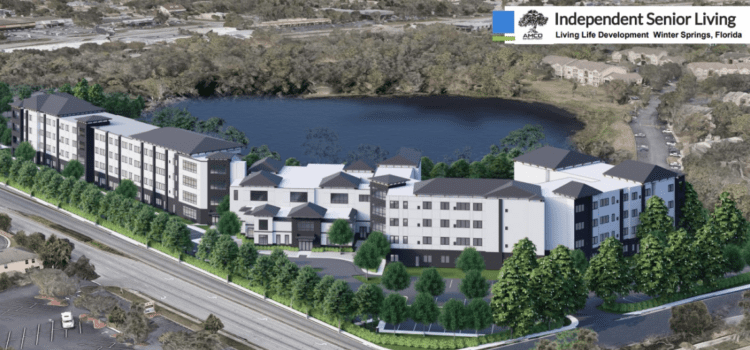
- Community Development: We are seeing steady growth in residential construction and commercial development. Projects like the Hickory Grove Townhomes and the Living Life independent living facility highlight our commitment to expanding housing options and supporting local businesses.
- Public Safety and Community Services: Investments in public safety remain a top priority. We are enhancing our police services and community programs to ensure Winter Springs remains one of the safest cities in Florida.
Budget Workshop Announcement
We invite all residents to join us for a budget workshop on July 15th at 4:30 PM. This workshop will provide an opportunity for you to learn more about the FY2025 Proposed Budget and ask any questions you may have. It’s a great chance to engage with the Commission and understand how your tax dollars are being utilized to improve our community.
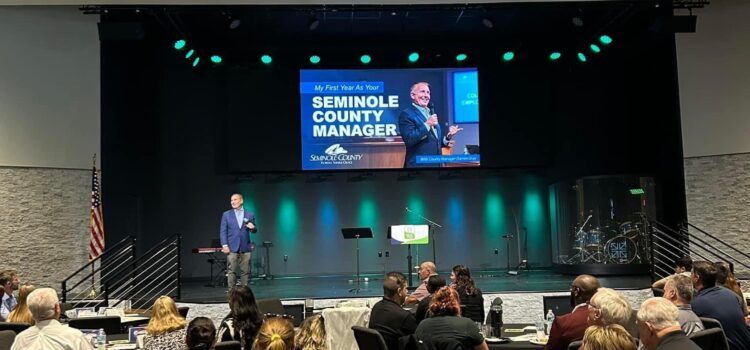
Message from the Interim City Manager
Our Interim City Manager has also provided an update on the budget process, emphasizing the collaborative efforts of all departments to minimize operating costs while maintaining high service standards. Here is the key message:
“Mayor and Commissioners,
In accordance with State Law and the City Charter, I am pleased to transmit the City of Winter Springs Fiscal Year 2025 Proposed Budget for your consideration and review. This document is available on the City public website under the Finance link.
As presented, Fiscal Year 2025 total budgeted spending (all funds) represents a 6% decrease over the prior fiscal year, while total General Fund spending of $26.6M is up (10.4%). These increases are attributed to numerous capital improvement projects, notable insurance premium increases, and the cost of goods and services throughout the City. Our continued adherence to our fiscal plan includes a proactive approach of working directly with each Department Director in minimizing operating costs. Thus, I am recommending a budget for Fiscal Year 2025 that includes an increased millage rate of 0.21, no utilization of General Fund reserves for recurring operating purposes, and no reduction in the level of services currently provided to our citizens.
Staff and I remain ready and committed to assist you with any information and support you need to successfully finalize the budget. Thank you for your trust and support, resulting in this FY2025 Budget!”
Conclusion
The FY2025 Proposed Budget is a testament to our commitment to responsible fiscal management and sustainable community development. We are dedicated to ensuring that Winter Springs continues to flourish, balancing growth with the preservation of our natural environment. Your feedback and support are invaluable as we move forward with these plans.
Thank you for your continued trust and involvement in our community’s future. I look forward to seeing you at the budget workshop on July 15th!
Warm regards,
Victoria Bruce
City Commissioner, District 2
Winter Springs