Florida Opens a New Path for Developing Agricultural Enclaves

Florida Opens a New Path for Developing Agricultural Enclaves

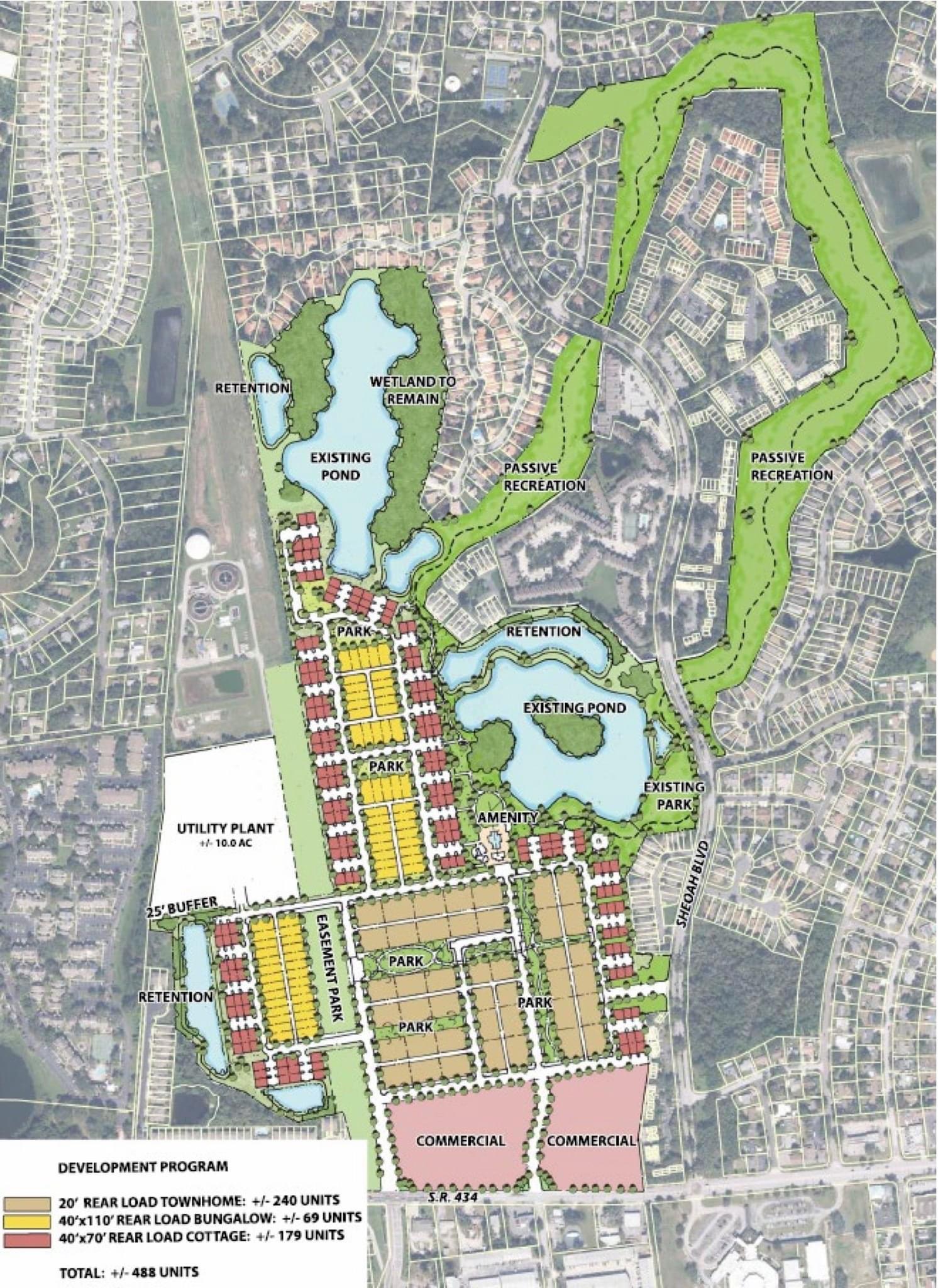
A bill passed during the 2026 legislative session creates a new pathway for owners of isolated agricultural lands to convert their property into residential housing, with implications for communities across Florida including those within Seminole County.

The Agricultural Enclaves bill applies to counties with populations of 1.75 million or fewer, which includes Seminole County, and takes effect July 1, 2026 if signed by the Governor or allowed to become law without a signature.

What the Bill Does

Agricultural enclaves are pockets of farming land that are largely surrounded by existing development. Under current law, converting these properties to other uses requires a public hearing process. This bill replaces that process with a new certification pathway.

Under the new process, a property owner can apply for certification confirming their land qualifies as an agricultural enclave. Once certified, they may submit development plans for single-family residential housing consistent with the land use requirements of adjacent parcels. Local governments are prohibited from applying regulations to these properties that are more burdensome than those applied to comparable uses or densities elsewhere.

What Residents Should Know

For communities that have worked to maintain rural character and manage growth carefully, this bill shifts some of that decision-making authority away from local governments. The provisions are temporary, expiring January 1, 2028, at which point the law reverts to its prior form. But during that window, agricultural enclave conversions could move forward with less local oversight than currently required.

I will continue to monitor how this bill affects land use decisions in Winter Springs and the surrounding region and will share updates as they develop.

New Florida Bill 399 Changes How Cities Can Regulate Development

New Florida Bill 399 Changes How Cities Can Regulate Development

A bill passed during the 2026 legislative session is set to have meaningful implications for how cities like Winter Springs manage land use and development decisions.

House Bill 399 significantly restricts local governments’ ability to block or tightly regulate land development and affordable housing projects. For residents who follow planning and zoning decisions in Winter Springs, it is worth understanding what this bill does and what it means at the local level.

What the Bill Does

HB 399 makes several changes to how local governments can regulate land use and development. Key provisions include requiring that application fees for development permits be reasonably related to actual review and processing costs, prohibiting fees based on a percentage of project costs. Local governments must also include specific compatibility factors in their comprehensive plans and land development regulations when reviewing residential development applications.

The bill requires local governments to administratively approve applications for minor special exceptions or variances by large destination resorts, limits the ability of cities to restrict off-site constructed residential dwellings beyond what applies to other residential types in the same zoning district, and allows residential manufactured homes to be placed on any lot in a recreational vehicle park.

What It Means for Winter Springs

These changes reduce the discretion local governments have when reviewing certain development applications. For a community like Winter Springs, where residents have consistently expressed interest in smart, compatible growth that fits neighborhood character, this shift in state authority is worth monitoring closely.

The bill may also have an indeterminate negative fiscal impact on local governments as development fee structures are adjusted to comply with the new requirements.

I will continue to follow how HB 399 affects Winter Springs as the city works to implement its requirements and will share updates as they become available.

Victoria Bruce
Winter Springs Commissioner, District 2
Protecting Winter Springs

Smart Growth and Environmental Responsibility in Winter Springs

Smart Growth and Environmental Responsibility in Winter Springs

Winter Springs is at a pivotal moment. Growth is accelerating across our region, and with that comes both opportunity and responsibility.

As someone who has spent a career in environmental permitting and mitigation, working at the intersection of development and natural resource protection, I have seen firsthand what happens when growth outpaces planning.

What Environmental Permitting Actually Involves

Environmental permitting is not about slowing projects down. It is about translating complex regulatory requirements into practical solutions that keep projects moving while protecting the resources communities depend on.

That work spans wetlands permitting, mitigation planning, due diligence, and regulatory compliance across transportation, utilities, land development, and conservation projects. Understanding this process matters for Winter Springs residents because it shapes what gets built, where it gets built, and what is preserved in the process.

The Challenge and the Opportunity

The most significant challenge Winter Springs faces in the years ahead is ensuring that development keeps pace with infrastructure, water resources, and environmental resilience.

That means investing in infrastructure before problems arise, protecting natural systems that reduce long-term costs, and planning with a regional mindset. If we get that right, we can support economic growth while preserving the quality of life that makes Winter Springs a place people are proud to call home.

What This Looks Like in Practice

Since 2022, Winter Springs has secured over $30 million in infrastructure funding, elevated 12 lift stations for flood resilience, completed a $1.5 million stormwater improvement study, and secured a $580,000 federal grant for creek and waterway restoration. A wetland outfall redesign on Michael Blake Boulevard and ongoing stormwater pipe relining projects reflect the same commitment to protecting natural systems while modernizing city infrastructure.

Smart growth is not anti-development. It is pro-community. It means making decisions today that do not create problems for residents tomorrow.

A full summary of infrastructure investments and environmental accomplishments is available here.

Victoria Bruce Winter Springs Commissioner, District 2 Protecting Winter Springs

Victoria Bruce

Winter Springs Commissioner – District 2

Protecting Winter Springs

A Letter to Senator Brodeur on the Rural Boundary

A Letter to Senator Brodeur on the Rural Boundary

Senate Bill 208 includes a late amendment that could significantly weaken Seminole County’s Rural Boundary — protections that voters have repeatedly affirmed at the ballot box.

Why I Wrote to Senator Brodeur

As your District 2 Commissioner, I felt it was important to go on record. I wrote a formal letter to Senator Jason Brodeur expressing my concern about a proposed amendment to Senate Bill 208 that could fundamentally alter how Seminole County’s Rural Boundary functions.

I want to be clear: I respect Senator Brodeur and the work he does for our region. My letter reflects that. But on this particular issue, I believe the proposed changes deserve a careful, community-informed conversation — and they are not getting one.

What the Rural Boundary represents

The Seminole County Rural Boundary has served as a foundational planning commitment for decades. It was created to maintain low-density development in sensitive areas, protect wildlife preserves, and preserve the buffer between natural lands and suburban growth.

This isn’t an obscure policy. In 2024, more than 82 percent of Seminole County voters affirmed the Rural Boundary — choosing to require a supermajority of county commissioners before any land can be removed from its protections. That is a clear, democratic mandate.

Concerns about the proposed amendment

The amendment to SB 208 would allow property owners inside the Rural Boundary to request rezoning to match the density of neighboring areas. If the county denies the request, it could be required to pay the property owner for the difference in fair market value — even while a separate court process could still result in the land being removed from rural protections entirely.

There is also a practical concern: the existing utility infrastructure in rural-designated areas was built to support low-density use. Utility providers have limited easement access in these areas. The capacity to support a sudden, large-scale shift in density simply is not there.

And because this amendment was filed late in the legislative session, the public has had no meaningful opportunity to weigh in through the normal committee process.

“The Rural Boundary was created as a commitment: low-density development to safeguard wildlife preserves and maintain a critical buffer between natural lands and suburban growth. That agreement has guided responsible planning for decades.”

— From my letter to Senator Brodeur, March 12, 2026

An Update on the Senate Vote

A fight over rural boundaries in Central Florida led to an 11th-hour amendment and a tense exchange on the Senate floor.

In the final days of Session, a fierce fight played out on the Senate floor and behind the scenes to protect rural lands in Central Florida from developers.

Ultimately, the Senate voted down an amendment that critics said would have destroyed rural boundaries in Orange and Seminole counties. 

The environmentalists and elected leaders guarding the rural lands will likely have to keep fighting in the 2027 Session, since the issue is unlikely to go away.

About 8 in 10 voters approved Seminole’s rural boundary in 2004, and the issue survived challenges in state and federal courts. Orange County voters also overwhelmingly approved their own rural boundaries in 2024.

Winter Springs Commissioner Victoria Bruce emailed Senator Brodeur and voiced her opposition to the “sudden push to change the Rural Boundary.”

“Utility providers have limited access to easements in this area, meaning the existing infrastructure cannot support a dramatic shift in policy or density. The capacity simply isn’t there,” Bruce wrote March 12.

For additional context on how this fight unfolded, Florida Politics published a detailed account of how this issue played out in the final days of the legislative session.

Moving forward

I will continue to advocate for land use decisions that reflect the values and long-term interests of Winter Springs residents and the broader Seminole County community. The Rural Boundary is not just a line on a map — it is a generational commitment to responsible growth and environmental stewardship.

I encourage residents who care about this issue to contact their elected representatives and make their voices heard before the full Senate votes on SB 208 this session.

— Victoria Bruce

Winter Springs Commissioner – District 2

High Oaks Ranch Under Review for Florida Forever Acquisition

High Oaks Ranch Under Review for Florida Forever Acquisition

A Public Hearing with Regional Impact

Florida Forever held a public hearing in Lakeland to evaluate three properties for potential acquisition and long-term conservation.

One of the properties under review is High Oaks Ranch, a 669-acre parcel located within the Seminole County Rural Boundary. I submitted a formal letter encouraging Florida Forever to give strong consideration to acquiring the property.

Why High Oaks Ranch Matters

High Oaks Ranch is located within a designated rural area that has faced increasing development pressure. Portions of the property have previously been associated with high-density development proposals, including the Rivercross project.

The Seminole County Rural Boundary was established to preserve rural character, protect water resources, and limit urban sprawl. Properties like High Oaks Ranch play an important role in maintaining that balance.

Preserving this land would help:

  • Protect environmentally sensitive acreage
  • Maintain open space within the Rural Boundary
  • Support long-term water quality and ecological health
  • Uphold long-standing community conservation efforts

The Role of Florida Forever

Florida Forever is the State of Florida’s land acquisition program focused on conserving environmentally significant properties.

Through this process, lands with ecological value and public benefit may be purchased and permanently preserved. The program provides a structured and transparent framework for evaluating conservation priorities.

Why I Submitted a Letter of Support

As a Winter Springs City Commissioner, I believe it is appropriate to support conservation efforts that align with regional environmental priorities and established rural boundary protections.

High Oaks Ranch represents an opportunity to reinforce those commitments and protect valuable natural land within Seminole County.

Moving Forward

The Florida Forever review process will determine whether High Oaks Ranch meets the criteria for acquisition.

I will continue to support responsible land use planning that protects natural resources while balancing thoughtful growth across our region.

Victoria Bruce

Winter Springs Commissioner – District 2

Protecting Winter Springs

Building a Better Process: Reforming Winter Springs Building Inspections

Building a Better Process: Reforming Winter Springs Building Inspections

At the March 31, 2025, Commission Meeting, we took meaningful steps to address ongoing concerns with building inspections in Winter Springs, something many residents have asked us to take seriously. I brought forward a motion to replace our current inspection provider, Universal Engineering, with PDCS, LLC, a well-regarded firm serving communities like Oviedo, DeBary, and Orange City.

Why Change Was Necessary

For too long, residents have shared stories of unprofessional and at times intimidating experiences with our current inspector, including language that made homeowners feel threatened. That’s unacceptable. Our city deserves service that is professional, respectful, and focused on helping residents, not punishing them.

“We need change in the city. I want to get old folks out, new folks in, and see some changes.”

– Commissioner Victoria Bruce

Watch the full meeting segment here:

What’s Next?

My motion to bring in PDCS, LLC was seconded by Commissioner Diaz and approved by the Commission. This decision supports raising the standard of service our residents can expect when it comes to permitting and inspections.

Commitment to Residents

Building inspections should be fair, consistent, and aligned with our values of transparency and accountability. This reform supports my continued focus on smart growth, environmental stewardship, and a local government that puts residents first.

Additional Highlights from the March 31 Meeting:

  • I voted in favor of drafting letters to Tallahassee legislators opposing state bills that would weaken local control over zoning and rural boundaries.
  • I attended multiple environmental meetings focused on water quality and restoration around Lake Jesup. Read that update here.

Thank you for continuing to stay engaged. Together, we are shaping a stronger, smarter Winter Springs.

Understanding SB 1118: Rural Boundary Bill Could Accelerate Development and Weaken Local Growth Management

Understanding SB 1118: Rural Boundary Bill Could Accelerate Development and Weaken Local Growth Management

Florida’s communities thrive when growth is balanced with thoughtful planning, environmental protection, and local input. But a newly proposed bill—Senate Bill 1118 (SB 1118), known as the Rural Boundary Bill—could significantly shift that balance.

This legislation introduces sweeping changes to how land use and development are regulated across the state, especially in rural and agricultural areas. If passed, SB 1118 would limit local control, accelerate suburban sprawl, and place additional strain on infrastructure that’s already stretched thin.

Here’s why this matters and what residents of Winter Springs should know:

1. More Development in Rural and Agricultural Areas

SB 1118 allows certain agricultural lands to be classified as “agricultural enclaves,” enabling developers to bypass traditional zoning and land use controls. This could lead to more high-density residential development in areas once designated for conservation or low-impact use, increasing pressure on sensitive lands and disrupting the character of neighboring communities.

2. Weakened Local Authority on Growth Decisions

The bill would require a supermajority vote to adopt restrictive land-use changes, making it more difficult for local governments to limit overdevelopment. Additionally, some projects could receive administrative approval, skipping the public process altogether and reducing opportunities for community feedback.

3. Greater Demand on Roads, Schools, and Utilities

Residential projects could move forward without requiring amendments to local comprehensive plans—raising concerns about population density increasing without infrastructure readiness. This includes added strain on roads, water systems, wastewater facilities, and school capacity. As many Winter Springs residents know, we’re already focused on improving critical infrastructure, and these changes could present new challenges if not properly managed.

4. Impact on HOAs and Recreational Fees

SB 1118 also proposes that HOAs can no longer be required to collect fees for private recreational amenities. This could affect how gated communities and other private developments fund and maintain shared spaces. Homeowners should closely review any recreational covenants tied to their properties.

5. Environmental Areas Exempt—for Now

While areas like the Wekiva Study Area and Everglades Protection Area are currently exempt from this bill, the broader implications are clear: SB 1118 opens the door to fast-tracked development, with less oversight and fewer checks and balances to protect sensitive lands.

What It Means for Winter Springs

This bill is not just a technical land-use issue—it’s a community issue. It has the potential to affect everything from green space preservation to traffic congestion to the long-term sustainability of our infrastructure.

As a strong advocate for smart growth and community-focused planning, I believe we must keep a close eye on how legislation like this could impact our city. I’ll continue to push for transparency, responsible development, and policies that serve both our residents and our environment.

If you have questions or concerns about SB 1118, now is the time to get involved. Reach out to your state legislators, stay informed, and let your voice be heard. Let’s work together to ensure Winter Springs remains a community that grows with intention—not just expansion.


📍 Stay Connected

Stay tuned for more updates as this project moves forward!

Casselberry’s New 40,000 Sq. Ft. Wheel Park: Construction Underway for a Skate & Bike Haven

Casselberry’s New 40,000 Sq. Ft. Wheel Park: Construction Underway for a Skate & Bike Haven

Throughout my time in office, many Winter Springs residents have shared their interest in having a local skate park, and I’ve been amazed at the excitement from both young and old. While a skate park isn’t currently on the immediate parks and recreation plan for Winter Springs, I’m thrilled to announce that our neighbors in Casselberry are making huge strides on a fantastic new facility—the Casselberry Wheels Park!

This innovative project broke ground in April 2024, and today, September 11, 2024, they’ve reached another major milestone: the concrete is being poured!. We’re one step closer to enjoying this incredible space, which is designed for skateboarders, bikers, and families of all ages.

What to Expect at the Casselberry Wheels Park:

The 40,000-square-foot park is set to be a state-of-the-art recreation area that caters to everyone, from young beginners to experienced skaters and bikers. Here’s what will be included:

  1. East Side – Family Zone:This family-friendly area will feature a “Tiny Town” bike safety training area for kids ages 2-5, a pump track for children ages 5-12, ADA-compliant playgrounds, and picnic pavilions for a fun, safe space to enjoy with little ones.
  2. West Side – Thrill-Seeker Zone:For more advanced riders, this area includes a 10,000 sq. ft. snake run with bowl corners and a vert wall, an 8-foot-deep intermediate bowl, and a 15,000 sq. ft. street course filled with ledges, rails, and stair sets. A separate beginner section will also be available for those just starting out.

In addition to the skating and biking areas, the park will include a ceremonial lawn, pavilion, and restroom facilities, making it a versatile spot for events, activities, and competitions.

Opening in 2025

With Team Pain, renowned skate park designers, leading the project and Wharton-Smith, Inc. handling construction management, the Casselberry Wheels Park is on track to be completed by Spring 2025. While this cutting-edge park is located in Casselberry, it will provide Winter Springs residents with a nearby recreational facility designed for fun, exercise, and community events.

Thank you to everyone in Winter Springs who has shared their enthusiasm for skateboarding and biking with me. Although a skate park is not currently on our city’s immediate list of projects, I’m excited that such a high-quality facility is being built right next door in Casselberry. Stay tuned for more updates as the park gets closer to completion!

For more details, visit Team Pain’s official announcement.