Joining the SCPS Community Ambassador Program: Supporting Education in Seminole County

Joining the SCPS Community Ambassador Program: Supporting Education in Seminole County

WINTER SPRINGS, FL – July 2025

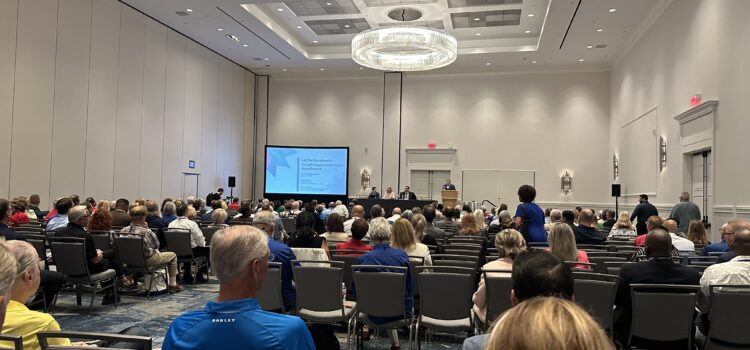
I’m honored to share that I’ve been selected for the Seminole County Public Schools (SCPS) Community Ambassador Program, an exciting initiative designed to build stronger connections between our schools and local communities.

As a daughter of two educators in public education, I look forward to the opportunity to gain deeper insight into the priorities, challenges, and successes within Seminole County Public Schools; as well as contribute my opinions of enhancing the public school system program.

My father dedicated his career to community education and even authored several books on the subject, while my mother was also an educator who inspired me with her dedication to helping students earn a high school equivalency diploma. Their example instilled in me a deep respect for the role education plays in shaping individuals and strengthening communities.

Being selected as an SCPS Ambassador would allow me to continue that legacy of service by learning firsthand about the initiatives shaping our schools. I’m especially excited about building relationships that foster collaboration between the district and the wider community. By gaining a deeper understanding of SCPS programs and needs, I can help share accurate information, strengthen community trust, and advocate effectively for students, families, and educators.

Ultimately, I look forward to using this experience to serve as a bridge between the schools and the community—supporting SCPS in its mission to provide exceptional educational opportunities for all students.

About the SCPS Community Ambassador Program

The SCPS Community Ambassador Program offers a comprehensive look at Seminole County Public Schools through monthly sessions covering critical topics, including:

  • Business Operations
  • Student Support Services
  • School Safety and Security
  • ePathways – Career and Technical Education
  • Transportation, and much more.

Each month, participants like myself will visit a different SCPS facility, tour classrooms, meet teachers, staff, and administrators, and gain a deep understanding of how decisions are made, resources are allocated, and innovations are developed within our school system.

Why This Matters to Winter Springs

Winter Springs thrives when our schools excel. As your commissioner, being involved in SCPS means I can better advocate for policies, resources, and partnerships that directly benefit our local schools and families.

Understanding the intricate operations, challenges, and future plans of our school district empowers me to make informed decisions, support educational priorities, and bring your voice to the table more effectively.

What I Hope to Achieve

I’m committed to sharing what I learn throughout this program with our community. My goal is to build stronger relationships between the city, our schools, and our residents, ultimately ensuring Winter Springs continues to be a place where education is prioritized, students excel, and families thrive.

I’ll also seek opportunities for collaboration between the City of Winter Springs and SCPS—working together to tackle common issues like safety, infrastructure, and youth engagement.

I invite you to follow along as I share updates from the program and highlight ways we can collectively support and enhance education in our community.

Together, let’s ensure Winter Springs remains an outstanding place for families and a model for educational excellence across Seminole County!

Contact:

Victoria K. Bruce

City Commissioner, District 2

Winter Springs, Florida

www.VictoriaForWinterSprings.com

Commissioner Victoria Bruce Issues Update on Tree Mitigation Vote and Path Forward for Winter Springs

Commissioner Victoria Bruce Issues Update on Tree Mitigation Vote and Path Forward for Winter Springs

WINTER SPRINGS, FL – July 2025

In response to public questions and ongoing discussions surrounding the tree mitigation fee tied to the Seahawk Cove Extension project, City Commissioner Victoria Bruce has released a detailed update to clarify the facts, address misinformation, and outline a proposed path forward for environmental planning in Winter Springs.

“This is not about politics,” said Bruce. “It’s about ensuring the City honors its own agreements, follows its legal procedures, and lives up to its commitment to transparency and sustainability.”

Background: Tree Mitigation and the 2017 Agreement

In 2017, the City of Winter Springs entered into a recorded development agreement and First Modification with the developer of the Town Center area, which includes the property now referred to as the Seahawk Cove Extension. That agreement identified the full project site as 45.687 acres and established a tree mitigation fee totaling $149,660, which was subsequently paid in full. The payment included:

  • $133,500 in mitigation credits
  • $5,000 for specimen tree removal
  • $11,160 in arbor permitting fees

This arbor fee was labeled in the agreement as the “final adjusted City arbor fee” for the Project, with “Project” defined as the entire development area—not a single phase.

June 23, 2025 Commission Vote

At the June 23 City Commission meeting, staff presented a proposed tree mitigation fee of $227,400 for the Seahawk Cove Extension. However, no reference was made to the 2017 agreement or the previous payment already made by the developer.

After reviewing the legal documents, Commissioner Bruce made a motion to clarify that the previously paid arbor fee applied to the entire project, including the area west of Michael Blake Boulevard. That motion passed in a 3–2 vote.

“I disclosed my meeting with the developer publicly on the record, and I brought forward a motion based solely on the documentation that had already been accepted by the City,” said Bruce. “Nothing was waived. The fee had already been paid.”

July 14 Meeting: Reconsideration Attempt

On July 14, a motion was brought forward to reconsider the June 23 vote. According to Robert’s Rules of Order, which the City of Winter Springs uses to guide parliamentary procedure, a motion to reconsider may only be made by a member who voted on the prevailing side—in this case, one of the three commissioners who voted “yes” on June 23.

The July 14 motion was made and seconded by commissioners who had voted “no,” rendering it procedurally invalid. The City Attorney paused the motion, advising that a motion to rescind would be required instead, and that it would carry a different legal standard.

During the discussion, Commissioner Mark Caruso disclosed that Mayor Kevin McCann had privately told him that it was City legal staff who “dropped the ball” in failing to bring the 2017 agreement into the initial June 23 discussion—contradicting public implications that the Commission acted improperly.

Clarifying the Project Location and Scope

The Seahawk Cove Extension project is located just west of Michael Blake Boulevard and north of State Road 434, within the City’s Town Center Development District. This area was always part of the broader 45.687-acre parcel defined in the development agreement.

“This is not an isolated site,” said Bruce. “It is part of a multi-phase, master-planned development, and the legal and financial obligations associated with that plan were intended to apply across the entire property—not just one section.”

Looking Ahead: Policy and Stewardship

Commissioner Bruce stated that beyond this specific vote, she sees an opportunity for the City to strengthen its environmental stewardship policies. At the July 14 meeting, she outlined two next steps:

  1. Engaging a certified arborist to advise the City on tree health, removal, and planting strategies.
  2. Using the arbor fund to purchase and conserve land, and to plant native tree species that support a “no net loss” tree policy for the City of Winter Springs.

“If we are going to maintain our designation as a Tree City USA, we need to lead with substance,” said Bruce. “That means not only protecting what we have, but building a future that’s environmentally and fiscally sustainable.”

Contact:

Victoria K. Bruce

City Commissioner, District 2

Winter Springs, Florida

www.VictoriaForWinterSprings.com

SR 417 Lane Widening: What Tuscawilla Residents Need to Know

SR 417 Lane Widening: What Tuscawilla Residents Need to Know

Understanding the SR 417 Lane Widening Project and Its Impacts on Tuscawilla

If you’ve lived in Central Florida for any length of time, you’ve likely noticed our region’s rapid growth. As Winter Springs continues to thrive, significant infrastructure upgrades are necessary, with one of the largest being the SR 417 lane widening project.

Project Overview: Expanding SR 417

The current four-lane section of SR 417 is being expanded to eight lanes over approximately 12 miles, extending from Aloma Avenue to the Lake Jesup bridge. This project involves widening the roadway from two lanes to four lanes in each direction, along with significant improvements to existing ramps and overpasses.

Impacts for Tuscawilla Residents

One of the most noticeable changes for our community is the expansion of the bridge over Winter Springs Boulevard, currently under construction. Once completed, this bridge will accommodate eight lanes of traffic. It’s important to clarify: no new permanent ramps are planned at Winter Springs Boulevard, only temporary access points related to construction activity.

However, the widening project does include ramp expansions and improvements at nearby interchanges, specifically at:

  • State Road 434
  • Red Bug Lake Road
  • Aloma Avenue

Sound Walls: Protecting Quality of Life

A key update relevant to our neighborhood is the installation of noise abatement walls (sound walls) along portions of SR 417. Initially, these walls were planned only for the Oviedo side of the highway. Thanks to persistent advocacy by our Mayor, city staff, and community stakeholders, noise walls will now also extend along the Winter Springs side of SR 417.

These noise walls will begin just south of Winter Springs Boulevard and continue northward, ending near SR 434. These walls are crucial for reducing traffic noise and maintaining our community’s quality of life.

Future Plans

There are also early-stage proposals to widen the bridges over Lake Jesup, with eventual plans to create a designated SR 417 exit directly serving Sanford Airport. Though these improvements are planned further into the future, they reflect continued commitment to infrastructure investment in our region.

Committed to Smart Growth

Because SR 417 is a state-managed toll road, neither the City nor County had the authority to stop the widening project. However, your Tuscawilla Homeowners Association, along with city leaders, actively worked to ensure essential considerations, like noise abatement measures, were incorporated into the project.

While growth may be inevitable in Central Florida, our responsibility remains clear: to advocate for careful, resident-focused planning. I remain committed to keeping you informed and to advocating for solutions that protect our neighborhoods and our quality of life.

If you have questions or would like to share feedback about this or other local projects, please reach out or join us at the next City Commission meeting.

Together, we’re building a better future for Winter Springs.

Winter Springs Pre-Storm Checklist: Preparing Our City for Hurricane Season

Winter Springs Pre-Storm Checklist: Preparing Our City for Hurricane Season

Winter Springs Pre-Storm Checklist: How Our City is Preparing for Hurricane Season

With hurricane season upon us, proactive storm preparation is critical for keeping Winter Springs safe. While residents prepare their homes, the City’s public works and stormwater teams are busy performing critical checks and cleanups throughout our stormwater management system to reduce flooding risks.

To ensure transparency and help residents stay informed, here’s the detailed Winter Springs Pre-Storm Checklist, highlighting key stormwater structures, outfalls, culverts, and critical drainage areas that receive special attention during storm events:

Winter Springs Pre-Storm Event Checklist:

  1. Outfall pipe discharge to Soldier’s Creek (off 868-870 Sheoah Circle).
  2. Outfall tributary to Sheoah Creek near Highlands Clubhouse (NW of Sheoah Circle).
  3. Outfall structure of Sheoah Creek into Highlands Pond.
  4. Meadowbrook Drive and Elmwood Drive storm structure and nearby undeveloped area at power easement.
  5. Lake Audubon outfall structure behind 611-613 Anhinga Road.
  6. 24-inch CMP outfall pipe behind 214 Silver Sea Road, south of Lake Audubon.
  7. 24-inch RCP outfall pipe north of Island Lake behind 200 Silver Sea Road.
  8. 48-inch RCP outfall at Sheoah Park discharging to Island Lake.
  9. 48-inch RCP canal/ditch at South Edgemon Avenue and South Flamingo Avenue.
  10. Outfall weir structure and 48-inch RCP from South Flamingo Avenue to Moss Road.
  11. Gee Creek crossing at Moss Road bridge near Moss Park.
  12. Intersection of Moss Road and Dolphin Road.
  13. Gee Creek crossing at S. Edgemon Road bridge by Lift Station 7W.
  14. Gee Creek crossing at Murphy Road bridge near 608 Murphy Road.
  15. Old Sanford Oviedo Road and Wade Street intersection—routine trash and debris removal.
  16. Dual culverts (2–54″x72″) at Shore Road and Gee Creek, south of 212 Shore Road.
  17. Culvert at Shore Road and unnamed creek near 647 Sailfish Road.
  18. Outfall pipe at creek near 109/111 Lido Road.
  19. Culvert at Alton Road and Gee Creek near 705 Alton Road.
  20. Culvert at power easement and unnamed creek NW of Winding Hollow Blvd.
  21. Drainage area at the east end of Alton Road.
  22. Outfall pipe at creek near 239/241 Mockingbird Lane.
  23. Outfall ditch at the east end of Sailfish Road, near 721/723 Sailfish Road.
  24. Swale area at west end of Nature’s Way.
  25. Storm structure at 656/658 Cheoy Lee Circle and adjacent swale area (654–662 Cheoy Lee Circle).
  26. O’Day Drive pond outfall structure.
  27. Storm structures from 715/717 Endeavour Drive to outfall at 718/720 Brooks Court.
  28. Culvert pipe between 1027-1031 Winter Springs Blvd.
  29. Culvert pipe between 1055/1061 Chokecherry Drive.
  30. Culvert pipe between 1042-1046 Chokecherry Drive.
  31. Storm structure at 1117/1118 Oscelot Trail.
  32. Storm structures at 681/683 and 691/693 Benitawood Court and adjacent drainage easement.
  33. 29″x45″ RCP and outfall ditch at Greenbriar Lane pond.
  34. Dual 24-inch RCP culverts at Vista Willa Drive near Seminole Trail ditch, west of Eagles Watch.
  35. Dual culverts (2–24″x80″ RCP) at 679-681 Vista Willa Drive.
  36. Bear Creek crossing at Winter Springs Blvd, west of Chestnut Estates.
  37. Storm inlet and yard drains at 1837/1839 Seneca Blvd.
  38. Storm inlet on south side of Winter Springs Blvd opposite Seneca Blvd.
  39. Winding Hollow ditch from East Power Easement to unnamed creek connection.

Staying Safe Together

As your City Commissioner, I encourage residents to be proactive and take steps to protect your homes, families, and properties during hurricane season. By maintaining and regularly inspecting these critical stormwater infrastructure points, our city reduces flood risks and enhances overall community safety.

If you have concerns about stormwater issues or see areas in need of attention, please reach out. Your safety is my top priority, and together we can keep Winter Springs prepared.

Stay safe and informed,

Victoria K. Bruce

Winter Springs Commissioner – District 2

Winter Springs Secures $1.17 Million in State Appropriations to Improve Water Quality and Conservation

Winter Springs Secures $1.17 Million in State Appropriations to Improve Water Quality and Conservation

State Appropriations Advance Water Quality and Conservation in Winter Springs

Winter Springs has received a major boost in our fight for cleaner, safer water and smarter conservation practices. Thanks to successful state appropriations, our city has secured $1.17 million in the State of Florida FY 2025–2026 Budget to fund three critical water infrastructure projects.

This progress would not be possible without the support of Rep. David Smith, Rep. Rachel Plakon, Senator Jason Brodeur and our state lobbyist Andrew Kalel! I’m deeply grateful for their advocacy and commitment to our community. I also want to recognize the leadership of City Manager Kevin Sweet and extend thanks to Governor Ron DeSantis for signing off on this investment in our city’s future.

Here’s what these state appropriations will support:

1. Potable Water Tray Aerator Improvements – $750,000

This project will upgrade aging tray aerators at three of our Water Treatment Plants. Aerators increase dissolved oxygen in water, which helps:

  • Reduce contaminants
  • Improve water taste
  • Enhance system efficiency
  • Extend the lifespan of critical equipment

These improvements directly support our mission to raise the bar for water quality and resident satisfaction.

2. Winter Springs Blvd Potable Valve Addition – $40,000

Currently, if a single portion of the potable water main along Winter Springs Boulevard is compromised, the entire system must be shut down. These funds will add isolation valves to allow for targeted repairs, minimizing service disruptions for residents and improving system resilience.

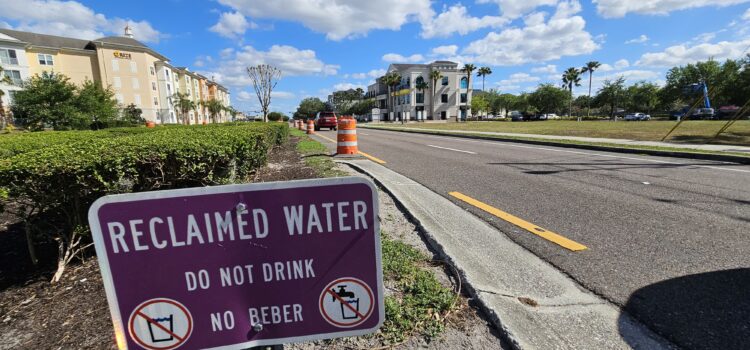
3. Michael Blake Blvd Reclaimed Water Main Extension – $380,000

This funding will extend the reclaimed water loop from Michael Blake Boulevard to SR 434. It will open access to reclaimed irrigation water for:

  • Winter Springs Village
  • Seminole Crossings
  • The Blake Apartments

As we face growing demands on our potable water supply, it is essential that we expand reclaimed water use for irrigation. Winter Springs currently exceeds its Consumptive Use Permit (CUP) limits—conservation through infrastructure is key.

Why This Matters

These projects represent a meaningful step toward infrastructure modernization, environmental protection, and smart water use. They align with our broader goals under the Water Works program, which aims to replace failing systems, reduce aquifer withdrawals, and improve service reliability citywide.

As your City Commissioner, I will continue advocating for forward-thinking investment and policy that strengthens our community. These appropriations are proof that when we show up, speak up, and work together—we can secure real results.

Let’s keep raising the standard for water quality in Winter Springs.

Victoria K. Bruce

Commissioner, District 2

Winter Springs, Florida

Visit victoriaforwintersprings.com

A Vision for Safer, Cleaner Water in Tuscawilla and Beyond

A Vision for Safer, Cleaner Water in Tuscawilla and Beyond

Raising the Bar for Water Quality in Winter Springs: A Tuscawilla-Focused Call to Action

As your City Commissioner, I’ve made water—drinking water, wastewater, and stormwater—a cornerstone of my service since my election in 2022. Living in the heart of the Lake Jesup basin, with the Tri-County water system’s canals and streams flowing through our city, we have a unique responsibility to protect our water resources. In Tuscawilla, home to the Tuscawilla Country Club and near the Winter Springs West Wastewater Treatment Plant, we see firsthand the challenges of maintaining clean water amidst golf course runoff and aging infrastructure.

While our latest 2024 Water Quality Report confirms that Winter Springs’ drinking water meets all state and federal regulations, compliance is just the starting point. We must advocate for higher standards, better maintenance practices, greater accountability, and safer water for our community. Today, I’m sharing why this matters, what’s at stake, and how we can work together to ensure a healthier future for Tuscawilla and beyond.

Why Water Matters in Tuscawilla

Winter Springs sits in a delicate ecosystem. Our drinking water comes from the Upper Floridan Aquifer, a deep source (100–500 feet) that’s safer than shallow wells but not immune to contamination. The Tuscawilla Country Club, a beloved community landmark since 1971, uses fertilizers and pesticides that can leach through our sandy Myakka and Immokalee soils into groundwater or nearby ponds, which connect to Lake Jesup.

The Winter Springs West Wastewater Treatment Plant, operating for nearly 50 years off Winter Springs Blvd., produces reclaimed water for irrigation but has faced maintenance challenges, raising concerns about potential spills of nitrates, pathogens, or pharmaceuticals. These issues hit close to home in Tuscawilla, where homes in Country Club Village, Greens at Tuscawilla, and Tuskawilla Crossings are near these facilities.

The Lake Jesup basin, one of Florida’s most nutrient-impaired watersheds, receives runoff from our city’s ponds, creeks, and canals, part of the Tri-County system linking Seminole, Orange, and Volusia counties. Algae blooms and fish kills, like those addressed in the 1994 Lake Jesup Act, remind us of the stakes. Our 96 stormwater ponds, including those in Deer Run and Tuskawilla Crossings, are critical for managing runoff, but failures like the 2023 Tuskawilla Crossings pond collapse ($1.5 million repair) show we’re not doing enough.

As your Commissioner, I believe we can’t settle for “good enough” when our health, environment, and quality of life are on the line.

The Current State: Compliant, But Not Complacent

I’m pleased to share that our 2024 Water Quality Report confirms Winter Springs’ drinking water meets all EPA and Florida Department of Environmental Protection (FDEP) standards, with no violations for contaminants like nitrates (EPA limit: 10 mg/L) or pathogens. Our three water treatment plants use aeration and chlorination to ensure safety, and we’ve upgraded Water Treatment Plant No. 1 to increase capacity by 30% and reduce chlorine use by 60%. These are wins worth celebrating.

However, compliance doesn’t mean we’re in the clear. The Winter Springs West Wastewater Treatment Plant has faced serious issues. A January 2025 FDEP warning letter cited violations for excessive suspended solids, fecal coliform, and nitrates, posing risks to reclaimed water used for irrigation in Tuscawilla (e.g., along Tuscora Drive) and potentially our groundwater. These follow a 2022 sanitary sewer overflow (SSO) of 750 gallons at the East plant and 2021 fecal coliform violations, signaling systemic maintenance problems across our aging wastewater facilities.

The Tuscawilla Country Club, while not recently cited for spills, applies chemicals that can leach into the surficial aquifer (10–50 feet) or the Upper Floridan Aquifer via karst fractures in our limestone bedrock, especially during heavy rains or irrigation.

Stormwater is another weak link. The 2023 Tuskawilla Crossings pond failure sent runoff into wetlands, highlighting deferred maintenance and poor design from past development. Our 96 ponds, now serviced by SOLitude Lake Management, need consistent upkeep to prevent flooding and nutrient pollution in Lake Jesup. These challenges, combined with our high-recharge sandy soils, mean contaminants could reach our drinking water source in years to decades—not the 100 years some claim.

A Call for Higher Standards and Accountability

Meeting minimum regulations isn’t enough for Tuscawilla. We need a proactive vision for safer water that protects our health and environment. Here’s what I’m advocating for:

1. Higher Water Quality Standards:

  • Push for stricter local limits on nitrates and pesticides in drinking and reclaimed water, beyond EPA/FDEP minimums, to safeguard our Floridan Aquifer.
  • Monitor emerging contaminants like pharmaceuticals from wastewater, which current regulations don’t fully address. The FDEP’s 2025 PFAS monitoring mandate is a start, but we should lead, not follow.
  • Enhance taste and smell of our drinking water, as outlined in our 2024 Penny Sales Tax projects, to ensure it’s not just safe but pleasant.

2. Improved Maintenance Practices:

  • Accelerate upgrades to the West Wastewater Treatment Plant under the Water Works program, replacing 50-year-old infrastructure to prevent spills like the 2022 SSO.
  • Enforce regular maintenance of our 96 stormwater ponds, learning from the Tuskawilla Crossings failure. Our million-dollar stormwater study must prioritize retrofits for pre-1984 neighborhoods like parts of Tuscawilla.
  • Partner with the Tuscawilla Country Club to adopt slow-release fertilizers and no-spray zones near ponds, reducing chemical leaching.

3. Greater Accountability:

  • Demand transparency from Veolia, our wastewater contractor, on compliance failures (e.g., 2025 violations). Residents deserve timely reports, not after-the-fact warnings.
  • Increase FDEP oversight and fines for violations, redirecting penalties to pollution prevention projects in Winter Springs, as required by the 2021 Consent Order.
  • Engage the Tuscawilla Homeowners Association (THOA) to hold the golf club and city accountable for environmental stewardship.

4. Safer Water for All:

  • Expand reclaimed water lines to reduce potable water use for irrigation, as 75% of Winter Springs exceeds our Consumptive Use Permit. The SR 434 reclaimed main project, serving Tuskawilla Crossings, is a model to replicate.
  • Protect Lake Jesup by supporting the Basin Management Action Plan to reduce nutrient inflows, ensuring our canals and streams don’t add to algae blooms.
  • Invest in green infrastructure (e.g., rain gardens, bioswales) to manage stormwater on-site, keeping pollutants out of our waterways.

What This Means for Tuscawilla

In Tuscawilla, our proximity to the golf course and wastewater plant puts us on the front lines. Fertilizer runoff from the Tuscawilla Country Club risks nutrient pollution in Bear Creek and local ponds, which recharge our aquifers. The West Wastewater Plant’s violations threaten the reclaimed water irrigating our lawns, potentially seeping into groundwater. Past incidents—like the 2015 boil water notice in Greens at Tuscawilla and the 2023 pond failure—show we can’t be reactive. Our children play in these neighborhoods, our families drink this water, and our future depends on acting now.

How You Can Help

As Tuscawilla residents, your voice is powerful. Here’s how to join me in this fight:

  • Attend City Commission Meetings: Share your concerns at our next meeting (July 14, 2025, 6:30 PM, City Hall) or the THOA meeting (September 11, 2025, Tuscawilla Country Club). Demand accountability for water quality.
  • Monitor Local Waterways: Report algae blooms or odors in ponds, Bear Creek, or Lake Jesup to FDEP (1-800-320-0519). Use the Seminole County Water Atlas (seminole.wateratlas.usf.edu) to track conditions.
  • Engage with the Golf Club: Contact Tuscawilla Country Club (407-366-1211) to urge sustainable practices like integrated pest management. Join THOA to amplify this push.
  • Support Infrastructure Funding: Back the 2024 Penny Sales Tax renewal and proposed rate adjustments to fund our $166 million Capital Improvement Program, including new wastewater plants and stormwater retrofits.
  • Protect Your Property: Use fertilizers sparingly, maintain septic systems, and install rain barrels to reduce runoff. Visit www.stormwaterpartners.com for tips.
  • Stay Informed: Check our 2024 Water Quality Report at www.winterspringsfl.org and follow my updates at victoriaforwintersprings.com for the latest on water projects.

A Commitment to You

As your Commissioner, I’m committed to transparency, fiscal responsibility, and sustainable solutions. The Water Works program, with a $166 million budget, is replacing our failing wastewater plants, optimizing water treatment, and expanding reclaimed water lines. We’ve secured $18 million in ARPA funds and are seeking state revolving fund loans to minimize rate impacts. But we need your partnership to hold contractors like Veolia accountable, push the golf club for better practices, and invest in our future.

Together, we can make Winter Springs a model for clean water in the Lake Jesup basin. Let’s raise the bar for safety, protect our Tri-County waterways, and ensure Tuscawilla remains a vibrant, healthy place to call home.

Reach out to me at victoria@winterspringsfl.org or 407-327-1800 with your ideas, and let’s keep the conversation going.

Central Winds Dog Park to Undergo Summer Maintenance for Safety and Sustainability

Central Winds Dog Park to Undergo Summer Maintenance for Safety and Sustainability

If your summer plans include quality time with your pup at Central Winds Dog Park, please note that the park will be temporarily closed from June 30 through July 31, 2025, for scheduled maintenance and upgrades.

I want to share what’s happening behind the scenes to improve the dog park, and why this brief closure is important for the long-term safety, beauty, and enjoyment of the space.

What’s Included in This Year’s Maintenance

Thanks to coordination with our City staff, this year’s improvements will include:

  • Resodding heavily worn turf areas to restore healthy grass
  • Grass seeding throughout the park for better ground cover and erosion control
  • Pressure washing of surfaces to ensure cleanliness and safety
  • Tree trimming to reduce hazards and improve shade
  • Fence repairs where needed for safety and enclosure
  • Water feature and fountain maintenance to keep hydration stations functioning

These updates are part of an annual effort to ensure that the Central Winds Dog Park remains one of the most enjoyable, well-maintained dog parks in the area.

Why It Matters

While we all love seeing the dog park full of tail wags and happy romps, high usage during the spring and early summer takes a toll on the grounds. By closing the park briefly during the peak heat of July, we give the grass and infrastructure a chance to recover and reset. This helps prevent bigger repair needs down the line and ensures the safety of all two-legged and four-legged visitors.

As a dog lover myself, I know how much this space means to residents across Winter Springs. That’s why I fully support this proactive approach to maintenance. It’s part of our larger commitment to clean, functional, and accessible parks throughout the city.

Looking Ahead

The park is scheduled to reopen on August 1, assuming weather conditions allow the maintenance work to stay on track. I’ll continue to keep you updated on any changes to the schedule.

In the meantime, thank you for your patience and understanding as we take these important steps to care for a place we all value. If you have questions or suggestions related to the dog park—or any of our community spaces—feel free to reach out.

Victoria K. Bruce

Commissioner, District 2

Winter Springs, Florida

Visit victoriaforwintersprings.com

Investing in Leadership: IEMO Training and the Work of Local Government

Investing in Leadership: IEMO Training and the Work of Local Government

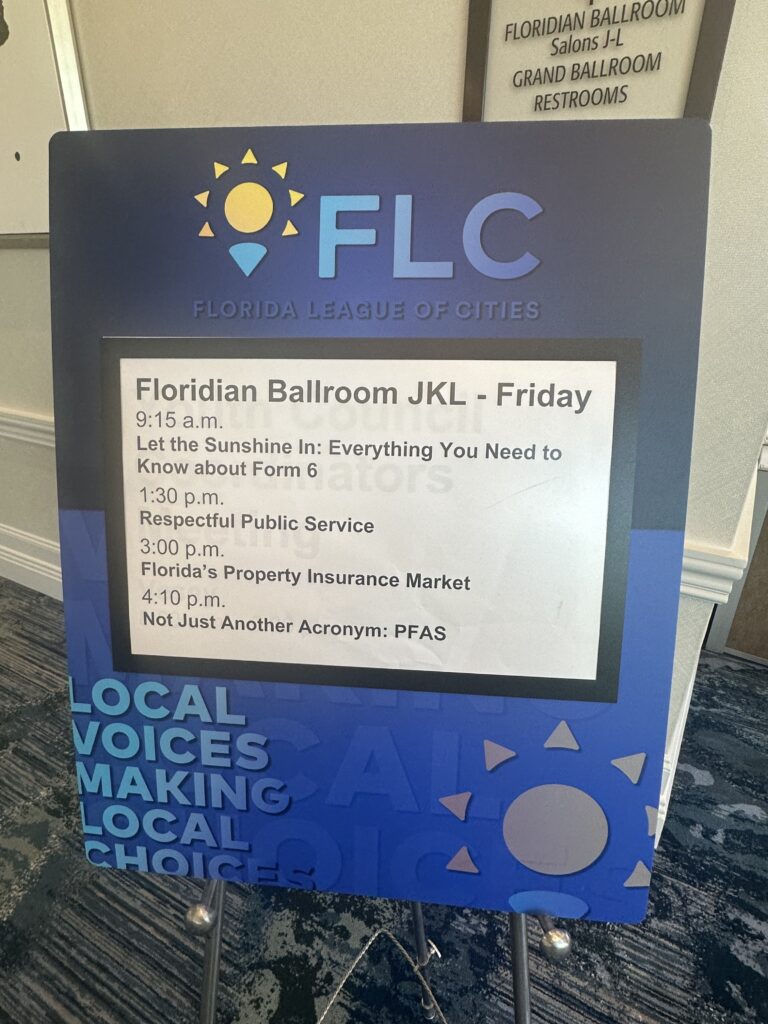
This summer, I had the opportunity to complete the Institute for Elected Municipal Officials (IEMO I), a professional development course offered through the Florida League of Cities in partnership with the John Scott Dailey Florida Institute of Government.

The program was created to help newly elected leaders like myself understand the full scope of municipal government. Over the course of 16 hours, we studied everything from budgeting and revenue structures to intergovernmental relationships and the roles and responsibilities of elected officials. It was an intensive and eye-opening experience, and one I believe should be required for anyone stepping into a public leadership role.

IEMO brings together elected leaders from across Florida in small class settings. That structure made it easy to ask questions, share ideas, and hear how other communities are navigating similar challenges. There was a clear focus on practical tools and real-life problem solving. From navigating council-manager dynamics to exploring how Florida cities are funded, every session helped me better understand the framework in which we serve.

“It was an awarding and educational experience to learn the ins and outs of government. Every elected official should be required to take this course.”

As someone who values transparency, accountability, and informed decision-making, this training aligned with the principles I bring to my work on the Commission. The more we understand how city government operates, the better we can represent our residents, manage limited resources, and make policy decisions that serve the long-term interests of our community.

IEMO I is also part of a broader program offered by the Florida League of Cities, which includes advanced courses and a multi-level Certificate Program for Elected Officials. I plan to continue my participation through that program so I can continue growing as a public servant.

Local government is often where the most impactful change happens. From safe drinking water to well-maintained parks to balanced growth and budget stewardship, it all starts here. I’m grateful to the Florida League of Cities for creating a thoughtful and effective training program and to the residents of Winter Springs for trusting me to represent you.

If you’d like to learn more about the IEMO program, visit flcities.com. If you have questions about what I learned or how it relates to our work in Winter Springs, I’m always happy to share.

Victoria K. Bruce

Commissioner, District 2

Winter Springs, Florida

Visit victoriaforwintersprings.com

Setting the Record Straight: The Tree Mitigation Fee Was Paid—Not Waived

Setting the Record Straight: The Tree Mitigation Fee Was Paid—Not Waived

UPDATE 8/11/25:

City revoted and the applicant will pay the $227,400.00 in addition to the $133,000.00 that was already paid in 2018

Update – July 3, 2025:

Mayor McCann has called a Special Meeting for July 7 to revisit the Commission’s June 23 vote on the tree mitigation issue. He’s submitted a 50-page packet challenging the interpretation that the previously paid fee covered the entire project.

You can review the full documentation here:

 View the Mayor’s Special Meeting Packet:

We encourage residents to stay informed and review the facts for themselves.

Setting the Record Straight: The Tree Mitigation Fee Was Paid—Not Waived

Recently, Mayor Kevin McCann claimed that the City Commission voted to “waive” a $277,400 tree mitigation fee owed by a developer. That’s not only incorrect—it misrepresents both the facts and the vote.

Let’s be clear: the mitigation fee was not waived. It was paid. And more importantly, it was paid for the entire project, not just a portion or initial phase.

The Real Issue: Was the Fee for the Whole Project or Just the First Phase?

The discrepancy at the heart of this issue lies in the legal interpretation of development agreements from 2015 and 2017. The question before the Commission was this:

Did the previously paid tree mitigation fee apply only to the “Initial Phase” of the project, or did it cover the “Project” which was for the entire development site?

That was the focus of our discussion. It was never about whether the fee had been paid—it was about which part of the project it applied to.

Also, let it be noted that the Arbor Application that was submitted February 2025 was to Protect the large 52″ oak specimen tree on the corner of Michael Blake and SR 434 which will be forever protected and will not be torn down during development, and a barrier will be erected during construction for protection. 

A specimen tree is a tree that’s intentionally singled out for its beauty, rarity, or unique form to act as a focal point in a landscape.

What the Financial Records Show

The developer made two tree mitigation payments:

  • $16,160 in February 2017
  • $133,500 in July 2018

Together, those payments total $149,660, and both were documented and acknowledged by city staff.

During the meeting, I pointed out that the legal description in the mitigation documentation references 45.687 acres, clearly indicating that the fee was calculated for the entire project, not just a smaller segment.

What the Motion Actually Did

At the meeting, I made a motion to clarify that the previously paid fee covered the full project. It was not a motion to waive fees or forgive an outstanding balance.

Here’s what I said on the record:

“I would not make a motion to say that we’re going to waive a fee… I make a motion that we acknowledge that the tree mitigation has been paid with proof of payment for this project, which will take care of the entire project and not just the initial phase.”

This motion passed with a majority of the Commission, following discussion and legal input that confirmed the development agreements supported this interpretation.

Even the Mayor Corrected Himself

Despite using the word “waived” repeatedly in his public statement, Mayor McCann was corrected during the meeting:

“Not waived, Mayor.”

“Oh, I’m sorry. I’ll stop using that word…”

That correction matters, because the language we use shapes public understanding—and in this case, the public has been misinformed.

Why It Matters

This was not a giveaway. It was not a rollback of environmental protections. It was a clarification of an agreement that the City had already accepted and that the developer had already paid for—years ago.

I remain fully committed to protecting Winter Springs’ environment and upholding its identity as Tree City USA. At the same time, I believe in fairness, accuracy, and transparency in how we govern.

Our residents deserve facts—not fear.

Victoria K. Bruce

Commissioner, District 2

Winter Springs, Florida

Visit victoriaforwintersprings.com

Webinar Spotlight: Tackling Toxic Algae in Florida Lakes with SOLitude Lake Management

Webinar Spotlight: Tackling Toxic Algae in Florida Lakes with SOLitude Lake Management

How to Fight Toxic Algae in Florida Lakes: Join the July 10 Webinar with SOLitude Lake Management

SOLitude Lake Management is a nationally recognized environmental firm specializing in the management and restoration of freshwater ecosystems, including lakes, ponds, and stormwater systems. In Winter Springs, SOLitude has been contracted to assist the City in improving water quality through science-based lake and stormwater management practices.

On Thursday, July 10, 2025, at 2:00 PM EDT, they are hosting a free educational webinar titled Tackling Toxic Algae. This event will provide valuable insight into the causes and solutions surrounding toxic algae in Florida lakes, a growing concern for communities throughout the state.

Why This Webinar Matters

Florida’s climate creates ideal conditions for harmful cyanobacteria—commonly known as blue-green algae—to thrive. These blooms are fueled by warm water temperatures, excess nutrients, and low dissolved oxygen levels. Once present, they can disrupt ecosystems, pose health risks, and reduce the recreational value of lakes and ponds.

In Winter Springs and throughout Central Florida, residents have seen firsthand the environmental and aesthetic impacts of these blooms. Learning how to identify and mitigate them is essential to protecting our water bodies now and into the future.

What the Webinar Covers

Attendees will gain insight into:

  • How and why toxic algae blooms develop
  • The difference between harmless algae and cyanobacteria
  • Early signs of harmful blooms and how to monitor them
  • Proven strategies for algae control, including nutrient reduction and aeration
  • What residents, HOAs, and municipalities can do to manage and prevent future outbreaks

This webinar is an excellent opportunity for residents, property managers, and environmental advocates to better understand this pressing water quality issue.

Local Relevance for Winter Springs

Toxic algae in Florida lakes is more than just a seasonal inconvenience. It represents a long-term challenge to water quality, biodiversity, and public health. In Winter Springs, these risks are especially important to address as we continue investing in infrastructure improvements and environmental safeguards.

Educational events like this support informed decision-making and community participation. Staying ahead of these issues ensures that our lakes and stormwater systems remain safe, clean, and ecologically balanced.

Protecting local water quality requires both proactive leadership and informed community involvement. By understanding the science behind toxic algae and learning practical solutions, we can all contribute to healthier waterways across Florida.

For those interested in the future of our lakes, this webinar offers clear, actionable insights and a chance to be part of the solution.

Victoria K. Bruce

Commissioner, District 2

Winter Springs, Florida

Visit victoriaforwintersprings.com